
Protecting Human Capacity
We help you strengthen the human capabilities that performance, innovation, and AI transformation depend on.
About unBurnt
Who we work with
For Companies
We partner with high-growth companies to address three forces that are colliding at once.
-
The cognitive load of AI transformation
The workplace and work itself is being rewritten underneath your people. New tools, accelerating technology, ever-rising expectations for output, and no clear standard for what ‘good’ looks like. Our research found unclear AI expectations were among the strongest predictors of high burnout and decreased long-term capacity.
-
Hybrid fragmentation
Teams are harder to align, harder to connect, and the informal moments that used to build trust are harder to come by. The result is friction in how work gets done: more meetings, more rework, and less shared context.
-
Always-on and disconnected
The overload of constant inbound, context switching and change fatigue leads people to deprioritize exactly what would restore them: time for recovery and relationships. Tech solutions have supplanted human connection and as a result people are disconnected and lonelier than ever.
Featured In

The structural shift
The strain isn't personal. It's structural.
Employees aren't just overloaded. They're operating inside systems that fragment attention, blur priorities, and keep teams stuck in reaction mode.
- Expectations are shifting faster than teams can absorb.
- Workflows are shaped by interruption, urgency, and constant context switching.
- There's more complexity with less space to onboard new ideas, think through implications, and recover.
- Employees are facing increased pressure to perform, often with fewer resources, with increasing uncertainty and lack of clarity.
- Cognitive bandwidth is shrinking under AI acceleration and digital noise, resulting in decision fatigue and avoiding complex, strategic thinking.
These aren't resilience problems. These are capacity limitations.
What's missing is the infrastructure to support the people carrying the change.
Your team is showing up.
That doesn’t mean they have headspace for the complex work required.
Here’s what’s happening.
What chronic stress does
Individual Level
Chronic stress doesn't make people less capable. It limits access to the capability they have. Working memory narrows. Decision quality drops. Creative thinking goes quiet before the calendar does. The body signals it before anyone names it.
How it Compounds
Company Level
When uncertainty, pressure, and stress is building collectively across leaders and teams, visible activity may stay intact. But strategic thinking erodes. Collaboration stalls. Cynicism increases. The engagement survey catches it eventually, usually months after it was already gone.
What’s Breaking Down
Glue Work
8 in 10 employees report spending too much time moving information between tools, and reconciling conflicting data.
Workday: The Copy/Paste Economy
May 2026
Engagement Collapse
Global engagement fell to 20% in 2025, its lowest level since 2020, an estimated $10 trillion in lost productivity globally.
Gallup
February 2026
The Manager Squeeze
Two thirds of managers struggle with heavy workloads, in part because they spend up to three-quarters of their day in meetings.
HR Drive
January 2025
Enterprise AI Gap is Operational
Across 20k employees surveyed, 75% of AI users do not agree their leadership is clearly and consistently aligned on AI.
Microsoft Work Trend Index
May 2026
The Infinite Work Day
“For many, the workday now feels like navigating chaos: reacting to others’ priorities and losing focus on what matters most.”
Microsoft Work Trend Index
June 2025
Negative Health Consequences
“People are overwhelmed on all fronts. And we know it’s bad for your heart, your blood pressure and your brain.”
American Heart Association
October 2022
Advisory: Parents Are Stressed Out
“Chasing these unreasonable expectations has left many families feeling exhausted, burned out and perpetually behind.”
U.S. Surgeon General
August 2024
Our Research
Most research describes the problem. Ours was designed to diagnose it. We mapped the workplace conditions driving burnout and depleted innovation capacity.
What our research found
1 in 3
Employees were overextended, defined as high burnout + high reactivity + low capacity. AI uncertainty and unclear role expectations were among the top predictive risk factors of high burnout and low capacity.
Managers
1.7x
Managers were more likely than individual contributors to report higher levels of burnout.
Caregivers
3x+
Caregivers were more than 3x more likely to report high burnout than non-caregivers.
What we do
We work on the system and the people.
Most solutions address the person or the system. We do both: changing how the work is structured, and supporting the people carrying it.
Explore solutions →4-Week Leadership Capacity Program
For leaders building the stress awareness and emotional regulation to lead through pressure and change.
90-Day Capacity Accelerator
For organizations navigating transformation at scale, including AI rollouts, restructures, and hybrid shifts.
Free Capacity Score
We measure the early signals. Start yours free.
The Capacity Score is a free, research-backed assessment that maps where the friction is, before it shows up in your performance data.
Four dimensions. One clear picture of where capacity is holding and where it’s leaking.
12 questions. Results are instant.
Get My Capacity ScoreScore
Burnout Risk
Is your organizational environment generating burnout risk or protecting against it?
Operating Capacity
Does the way work gets done protect focused execution or quietly fragment it?
Cognitive Bandwidth
Do your employees have the capacity to lead or are they just barely keeping up?
Support and Trust
Do your people feel safe enough to surface problems early or are they managing quietly until it’s expensive?
Meet the Founder
Hi I’m Alison, and I built unBurnt to solve a problem I couldn’t find an answer to.
I’m a former Chief of Staff and VP of Strategy & Analytics at a $1B global HRTech company. Prior to that, I spent nearly 20 years in corporate roles, across finance, eCommerce , and B2B Saas. I worked hard and moved up quickly. But after becoming a mom, I found that I was always drained, felt like I was failing, and pushed even harder to keep up. After a health scare in 2023, I left my executive role, planning to recover and go back to my next corporate adventure.
What I found in recovery was that nearly every solution asked the individual to fix a problem that was structurally created. Nobody was touching the conditions creating the friction, while also supporting the people delivering the work. That’s what I built unBurnt to change.
I’m also an Executive in Residence, Center of Health and Business, Bentley University, researching workplace burnout and innovation, co-author of the paper, When Burnout Looks Like Productivity: The New Risk to Innovation Capacity (April 2026).
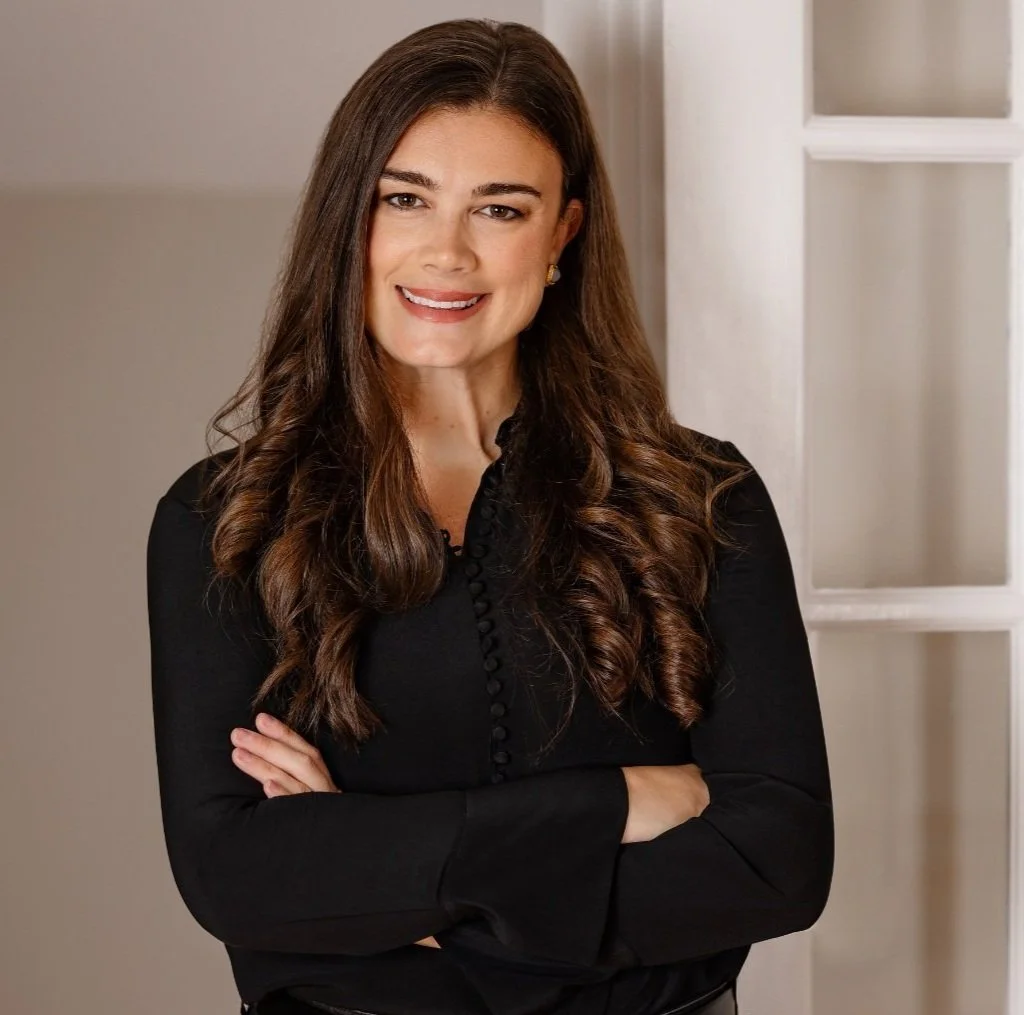
Alison Campbell | Founder, unBurnt | Connect on LinkedIn
What people are saying

About our Programming
“Alison ran an excellent offsite workshop for my team. Focused on resilience and personal wellbeing, it was great theory translated to even better practice. Since then, she has engaged deeper with the team and is offering great support.”
— Tracey Dawson | TA Head of Neuroscience, Novartis
About the Impact of our Research
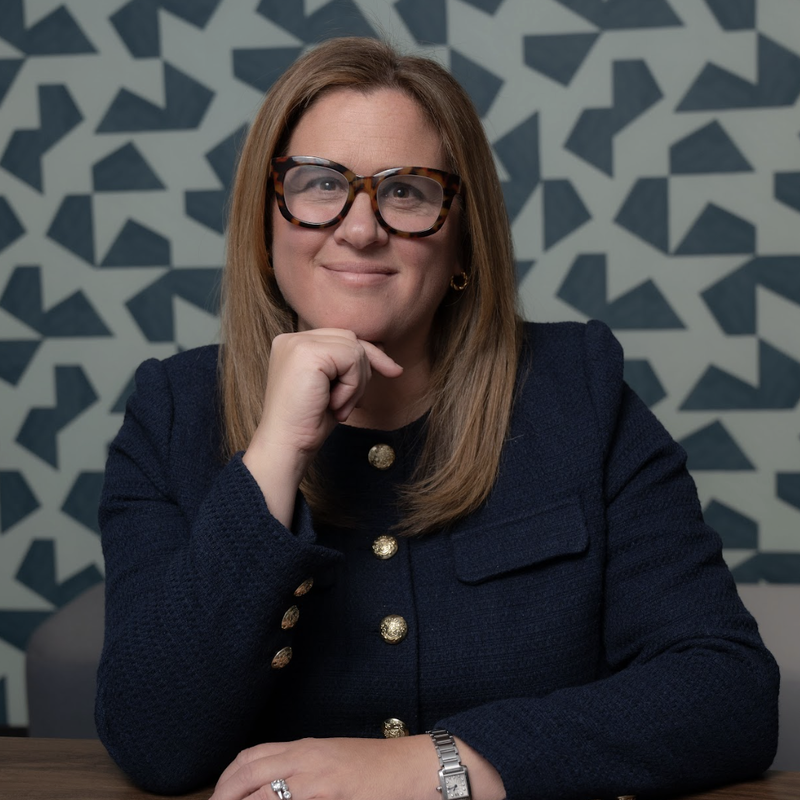
“I read it, it’s really important, and I actually made two changes at Workbar since reading it. For our sales cycle we don’t take the foot off the gas, every month it restarts. After reading this, I thought, we should give everyone a break on the first of the month to reset. To have some sort of break they can look forward to, and from a certainty perspective, know it’s coming. So they can push really hard at the end of the month, and know that on the first of the month, they won’t have to focus on sales.
- Sarah Travers | CEO, Workbar
The capacity to lead through change can be built. Let's build yours.
Two ways to get started: